Broken Key Removal in Redditch
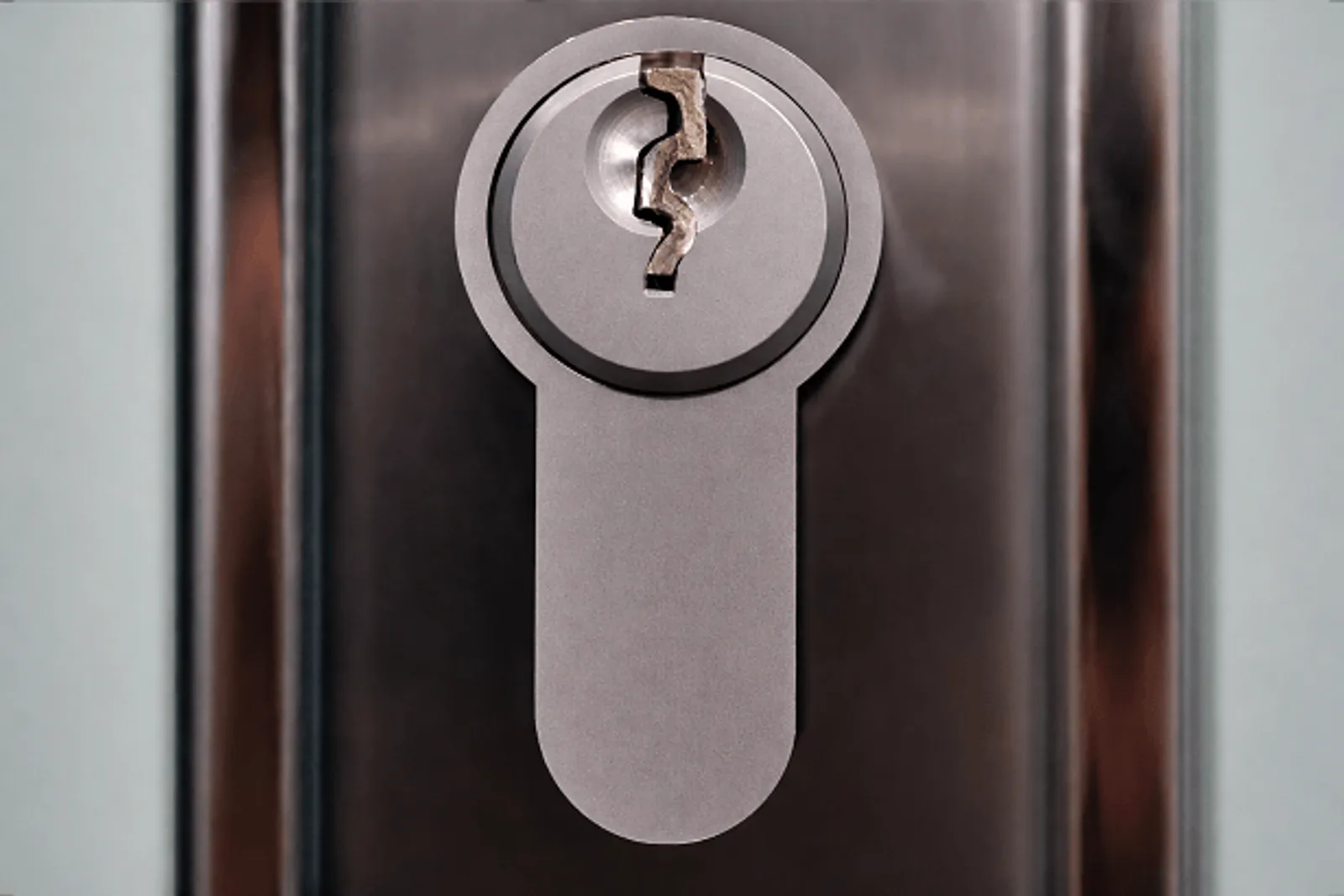
Across Redditch, from the post-war semi-detached estates of Hunt End to the Victorian terraces of Bordesley, we attend broken key removal with equal care for modern and period hardware. Most callouts involve euro cylinder keyways worn by daily use, though older mortice locks demand a gentler extraction technique. Once the fragment is out, we assess the mechanism and arrange replacement keys cut on the spot where possible.
Available day or night
Emergency cover, 7 days
Skilled local engineers
DBS-checked and insured
No call-out charge
Price agreed before we attend
Why choose us
A locksmith Redditch can rely on
Quick local response
Engineers based around Redditch — a real arrival time confirmed when you call, not a call-centre estimate.
No call-out charge
You only pay for the work. The price is agreed on the phone before an engineer is sent.
Pay on completion
Settle up once the job is done and you are satisfied. Card payments accepted.
Insurance-standard work
BS3621 mortice deadlocks and TS007 anti-snap cylinders fitted to the standards insurers ask for.
How it works
Sorted in three straightforward steps
Call and describe the problem
Tell us what has happened and where you are. We give you a firm price and a realistic arrival time before anyone sets off.
A local engineer attends
A DBS-checked engineer arrives with the right tools and parts for your broken key removal job, and attempts non-destructive methods first.
Job done, you pay on completion
The work is finished, tested and tidied. You pay once you are satisfied — card accepted, no call-out fee.
Guide prices
What common jobs cost in Redditch
| Job | Standard hours | Out of hours |
|---|---|---|
| Fragment protruding from the lock | from £59 | from £99 |
| Fragment flush or buried inside | from £74 | from £124 |
| Extraction from a stiff or jammed lock | from £89 | from £149 |
| Locked out from a snapped key — entry + extraction | from £89 | from £149 |
| uPVC multipoint lockout + extraction | from £104 | from £174 |
| Euro cylinder, key left in other side + extraction | from £89 | from £149 |
| Mortice lock (timber door) extraction | from £74 | from £124 |
| Nightlatch (Yale-style rim lock) extraction | from £59 | from £99 |
| Padlock / garage / outbuilding extraction | from £59 | from £99 |
Guide prices for broken key removal in Redditch. Standard hours 7am–6pm, out-of-hours 6pm–7am. No call-out fee; parts charged separately.
Emergency Broken Key Extraction in Redditch
Snapped keys have a habit of happening at inconvenient moments, whether you're rushing out, arriving home late, or dealing with a lock that's been getting tighter for weeks. Emergency broken key removal has two main aims: getting you back inside, and making sure the door can lock securely once the work is done.
Locked out, or still able to get the door open: if the door won't budge at all, the job may start with careful, damage-limited entry techniques before extraction can safely take place. If the door does open but the key has broken off inside, keeping the lock steady becomes the priority, stopping the fragment sliding deeper or pins being forced out of position. From there, a suitable tool is carefully worked into the lock to catch and draw out the broken piece.
Details that speed up a clean extraction: a few practical facts make a real difference to getting it right first time. The lock type (uPVC or euro cylinder, mortice, night latch, padlock, or garage lock), whether the fragment is protruding or sitting flush, whether the lock felt stiff before it snapped, whether the door is properly locked or just pushed shut, and whether a key has been left in the cylinder from inside, which is common with euro cylinders.
None of this is about paperwork, it's about picking the correct method quickly and avoiding needless force. Some people reach for household items to try to fish the key out, and this can easily make matters worse rather than better.
Careful Broken Key Removal: The Process Explained
One worry comes up time and again: will this damage the lock or the door? Proper broken key removal is a controlled process, aimed at freeing the fragment without widening the keyway, damaging the pins, or turning a simple repair into a full lock replacement. Keeping the mechanism lubricated reduces friction, which makes extraction safer and helps prevent further damage.
Step one, assessing how the key broke: not every break is the same. A key can shear because it's worn, bent, poorly cut, or because the lock was already binding. The locksmith checks whether the lock is currently held under tension (part-turned), whether the door is sagging or dragging (a sign of misalignment), and whether the broken piece is wedged tight or moving freely, including whether the key is genuinely trapped inside, which can need extra care. This tells the locksmith whether extraction can happen straight away or whether tension needs releasing first.
Step two, trying non-destructive methods first: where the fragment can be reached, purpose-built extractors combined with controlled tension techniques can lift it out cleanly. A broken key extractor, usually with a small hooked tip, is fed into the lock to catch and grip the fragment so it can be drawn out safely. The focus is on precision rather than force, and in many cases the lock goes straight back to normal working order with no visible sign anything happened.
Step three, drilling only as a last resort: drilling isn't the starting point, and it's only considered once every other method has been tried without success. It comes into play when the fragment is stuck deep, the lock is already failing internally, or a previous DIY attempt has caused damage. Even then, the goal is usually targeted, minimal work that protects the door and avoids replacing parts that are still functioning properly.
Step four, checks after extraction to stop problems recurring: the lock should then be tested properly for smooth key insertion and turning, any sticking or dead spots during rotation, signs of wear or damage within the mechanism, correct engagement of the latch, bolt, or multipoint system, and any wear affecting the pins, cam, or boltwork. This is the point at which it becomes clear whether the lock has come through unscathed, or whether swapping the cylinder is the sensible, lasting fix.
How the Situation Changes the Approach to Broken Keys in Redditch
Two snapped keys might look much the same at first glance yet need entirely different handling. The particular scenario shapes the method used, how long the job takes, and whether replacement parts are likely to be needed. Whether the broken piece is easily reached also affects how the work is approached.
Fragment sticking out versus one sitting flush or buried: a piece protruding slightly can usually be freed quickly and cleanly, though it should be eased out gently and slowly rather than pulled hard, to avoid pushing it deeper or causing extra damage. A fragment sitting flush or pushed further in needs more delicate handling, and the outcome depends on the lock's internal state at the moment it broke, including whether pins were engaged, tension was present, or the key had turned partway. Trying to fish the piece out with improvised tools can drive it in deeper or scratch up the keyway, adding time and sometimes making the job harder.
A snapped key combined with a stiff or jammed lock: where a lock has been stiff for a while, a broken key is often a symptom rather than the underlying cause. Binding can come from wear inside the cylinder, insufficient lubrication (working graphite powder into the keyhole can ease friction and lower the risk of another break), the door and frame being misaligned, resistance within a multipoint mechanism, or damage that's built up internally from repeated force. In these cases, removing the fragment is only half the job, the lock also needs to be made reliable again, or the next key may well snap too.
A key left in the cylinder or the door locked from inside: with euro cylinders, a common complication is a key left sitting in the back of the lock. Depending on the cylinder type, this can stop another key working from outside and can make extraction trickier. A similar problem arises when the lock is engaged and the door has been locked from within. The right approach depends on the cylinder's design, including whether it has an emergency override function, and where the cam had reached at the moment the key broke.
Points to note with multipoint locks on uPVC doors: where the handle needs lifting to engage the hooks, rollers, or bolts, the door's alignment becomes important. Even a small drop in the door can add resistance and contribute to a key breaking. Breaks in this situation are often linked to modern keys, frequently made from materials such as nickel silver. As these metals are non-magnetic, they don't respond well to magnetic extraction methods, which affects the technique chosen. Once the fragment is removed, it's worth confirming the door locks smoothly through a full cycle, not just that the key turns once.
What broken key removal looks like across different lock types
No two failures are quite the same, and how a locksmith frees a snapped key depends heavily on what sort of lock it's stuck in. The complexity of the job, and the tools needed, shift according to the hardware involved.
uPVC doors fitted with Euro cylinders are the setup most UK homes have, usually built into a handle set alongside multipoint locking. Snaps here tend to come from a key that's worn down, grit or wear inside the cylinder itself, or a door that's slightly out of alignment and putting extra strain on the key. Sometimes the key simply shears off and lodges inside the cylinder, making it awkward to shift. The priority during extraction is keeping the cylinder and keyway undamaged. Where the cylinder itself is past its best, swapping it out is usually straightforward, and gives you a chance to move up to a stronger option at the same time.
Mortice locks, found on older wooden doors and some internal security doors, tend to fail because of stiff boltwork, worn levers, or a strike plate that's no longer sitting quite right. Extraction has to be done carefully, because damage inside the mortice case can leave you with a door that won't latch cleanly or a lock that can't be trusted. As a DIY fallback, a thin blade, something like an altered hacksaw blade, is sometimes used to work a key fragment free.
Night latches, the Yale-style rim locks fitted as a second line of defence, are particularly prone to trouble when alignment is off or the key's seen better days. The goal is lifting the fragment clear without marking the rim cylinder, and tools such as needle nose pliers or even a straightened paper clip can do the job. It's worth testing the lock afterwards, since a night latch that's turned stiff is often what led to the snap in the first place.
Padlocks and locks on garages or outbuildings snap fairly often, especially once damp, grime, or cold weather have got into the mechanism. These are usually the simpler jobs, though where corrosion has taken hold badly, fitting a new lock is the more sensible route rather than persevering with one that's failing. A strong magnet or a jigsaw blade can sometimes be enough to draw a broken key out of a padlock or garage lock.
Working out whether your lock needs replacing or just fixing
Cost is usually the first worry once a key's snapped: does this mean a whole new lock? Often it doesn't. The honest answer depends on why the key broke and what state the lock is in once the fragment's been freed. Depending on the condition of the broken piece, it can even be used as a template to cut a fresh key.
Replacement becomes more likely when the internals, pins, cam, or boltwork, are damaged and the lock still won't move freely after the fragment's out; when an earlier DIY attempt has warped the keyway or left a snapped extractor tool stuck inside; when several other extraction methods have already failed; or when the lock was already unreliable before the key broke, sticking or turning only intermittently.
On the other hand, replacement can usually be avoided if the lock was working smoothly beforehand, the fragment came out cleanly with no marks to the keyway, and the real culprit was a tired key rather than a failing lock.
Where a Euro cylinder does need swapping, that's a world away from replacing the entire lock. A new cylinder can be matched precisely to the door and handle set, and chosen with better security in mind, some models offer stronger resistance to snapping and a smoother action. Replacement cylinders are often easy enough to pick up from a local hardware store.
In cases where security is the main worry, rekeying, or fitting a new cylinder, lets you change which keys work without touching the rest of the lock case or the multipoint mechanism.
After an incident like this, plenty of households realise the problem was a single overworked key or a poor-quality copy being used again and again. Cutting a proper key from the original profile, rather than duplicating a worn one, eases the strain on the lock and keeps things turning smoothly.
Pricing and what influences the cost of broken key removal in Redditch
Broken key removal is generally billed as a call-out with the final figure shaped by how tricky the job is and whether any parts are needed. Part of what you're paying for is the skill it takes for a professional locksmith to free the key cleanly, particularly when specialist tools come into play. The clearest quotes are the ones that spell out what's covered upfront and what might change once the locksmith is on site.
Most call-outs to Redditch include the visit itself, working out the lock type and where exactly the key has broken, a first attempt at non-destructive removal, a basic check that the lock still operates properly afterwards, and guidance on whether it needs adjusting, repairing, or replacing outright. Where parts are needed, a cylinder being the most common, these are typically costed separately.
Several things can move the price: calling out of standard hours (evenings, weekends, bank holidays), whether the fragment is sticking out or buried flush inside, how stiff or seized the lock already is, added complexity with multipoint systems needing extra checks, and any follow-up work needed to get the lock locking reliably again, such as realignment or a cylinder swap.
Getting a proper breakdown upfront avoids nasty surprises and helps you judge whether repair or full replacement gives better value.
How long the job takes on site depends entirely on the situation. A fragment sticking out of an otherwise healthy lock can be sorted quickly. A flush fragment in a stiff lock, or one that's already been tampered with, takes longer. Expect some time spent testing and fine-tuning after the extraction too, since the aim isn't just getting the key out, it's leaving you with a lock you can trust.
Broken Key Removal Price Guide for Redditch
Pricing varies by job type, and the table below gives a rough guide to what's typical, covering average time on site and starting prices during standard hours (7am to 6pm) versus out-of-hours (6pm to 7am).
Fragment protruding from the lock: around 45 minutes on site, from £59 standard hours or £99 out-of-hours. Non-destructive extraction is used wherever possible, with the lock tested afterwards.
Fragment sitting flush or buried inside: around 1 hour 15 minutes, from £74 standard hours or £124 out-of-hours. This calls for a more delicate extraction, and lock function checks are included.
Extraction from a stiff or jammed lock: around 1 hour 30 minutes, from £89 standard hours or £149 out-of-hours. Covers an assessment of what's causing the binding, plus advice on next steps.
Locked out because of a snapped key, requiring both entry and extraction: around 1 hour 30 minutes, from £89 standard hours or £149 out-of-hours. Entry is handled with minimal damage where possible, and secure re-locking is checked afterwards.
Locked out on an engaged uPVC multipoint system, plus extraction: around 1 hour 45 minutes, from £104 standard hours or £174 out-of-hours. The multipoint cycle is checked afterwards, and alignment resistance can affect how long the job takes.
Euro cylinder with the key left in from the other side, plus extraction: around 1 hour 30 minutes, from £89 standard hours or £149 out-of-hours. Pricing here depends on the cylinder type and any emergency function, so it's assessed case by case.
Broken key extraction from a mortice lock on a timber door: around 1 hour 15 minutes, from £74 standard hours or £124 out-of-hours. Extraction is done carefully to avoid harming the internals, with operation tested afterwards.
Broken key extraction from a night latch (Yale-style rim lock): around 1 hour, from £59 standard hours or £99 out-of-hours. The focus is protecting the rim cylinder, with smooth turning checked afterwards.
Broken key extraction from a padlock, garage lock, or outbuilding: around 1 hour, from £59 standard hours or £99 out-of-hours. Weather damage and corrosion can add complexity, and replacement may be recommended, with parts costed separately.
Standards, verification, and accountable workmanship in Redditch
Because locksmith work always touches on access and security, professional standards go well beyond having the right tools, they're about safety, checking who you're dealing with, and being accountable for the outcome.
A legitimate locksmith will generally take sensible steps to check occupancy or authorisation before opening a door, particularly on emergency call-outs. This protects the people living there and helps stop emergency locksmith services being misused.
Given that broken key removal often involves door hardware and security fittings, it's fair to expect the work to be insured and carried out with care around handles, finishes, and cylinders, especially where the lock is delicate, high-security, or forms part of a multipoint system.
A job well done means more than just getting the broken key out, it means the lock turns smoothly and locks securely afterwards. Where parts are fitted or adjustments made, solid workmanship and a reasonable guarantee give you confidence the repair is built to last, not just a temporary patch.
For commercial premises, a snapped key can disrupt access control and knock a hole in operational security. In these settings, things like restricted areas, proper key control, and making sure the final fix restores secure access without opening up new weaknesses all need to be factored in.
Stopping the next key from snapping in Redditch
A snapped key is rarely a one-off fluke — it usually points to something going on inside the mechanism. Sorting that root cause lowers the odds of it happening again and can head off a costlier lock failure down the line. When you oil the lock, steer clear of oil-based products, since they draw in dirt and wear the mechanism faster; a silicone-based lubricant is the safer bet, particularly for locks left outdoors.
Swap out tired, bent or badly-cut duplicates. Keys wear down bit by bit with use, and copies taken from an already-worn key usually come out worse, adding extra resistance inside the keyway. Fitting a fresh, properly cut key can make a real difference to how smoothly the lock turns.
Make sure the door and lock still line up properly. uPVC doors have a habit of dropping slightly with age. Needing to force the handle up, shove or pull the door about, or jiggle the key to get it to lock are all signs that misalignment is putting strain on both the mechanism and the key itself. A minor adjustment often takes that pressure off and restores smooth operation.
Get the lubrication right — and don't overdo it. Not every spray in the cupboard is meant for locks, and too much product can trap grit and make the stiffness worse. If a lock keeps sticking, it's worth finding out why rather than repeatedly papering over the problem with more oil.
Watch out for exposed locks in cold weather. Padlocks, garage locks and anything fitted outside tend to stiffen up when temperatures drop. Damp and grit build resistance, which tempts people to force the key — and that's usually how snapping happens.
Broken key extraction in Redditch: your questions answered
Is it safe to try removing a broken key myself?
It's possible, but there's plenty of room to make matters worse. Frequent DIY mistakes include using superglue (which seeps into the keyway and gums up the pins), drilling into a lock without knowing what you're doing (causing lasting damage), using makeshift tools that scratch the keyway or drive the fragment further in, and even snapping an extractor tool off inside the cylinder. When the broken piece sits flush and the lock's already stiff, DIY attempts often turn a straightforward fix into a full lock replacement.
What's the right move straight after the key breaks?
Try not to keep turning the lock or poking anything inside that might push the fragment deeper. Hold onto any pieces of the broken key and think back to whether the lock felt stiff beforehand. If the door's left insecure, sorting proper security should come right after the extraction itself.
Does the lock always need to be drilled out?
Not necessarily. Non-destructive entry methods are usually tried first. Drilling tends to be the fallback option, used when the lock is already damaged, the broken piece is jammed solid, or a previous DIY attempt has already wrecked the keyway.
What if there's already a key sitting in the lock from the other side?
That depends on the type of cylinder and where the cam sits. Some cylinders still allow the outside to be worked even with a key left in from inside; others lock that out completely. It's a situation that comes up fairly often and gets assessed on the spot.
Does a snapped key mean the whole lock has to go?
Not usually. With most uPVC doors, swapping the euro cylinder alone does the job, if a replacement is even needed. For mortice locks, the lock case can often stay in place as long as there's no damage inside it.
Do you deal with snapped keys in padlocks and garage locks too?
Yes, that's a regular job for us. Weather exposure and rust often mean a new padlock or lock is the sensible long-term fix, though extraction can still work depending on how worn the unit is.
If I'm renting, is this on me or the landlord?
That comes down to the tenancy agreement and what caused the break. A lock that's faulty or worn through age is generally a maintenance issue for the landlord. A key damaged through misuse is more likely to be treated as the tenant's responsibility. Hanging onto the broken key and noting any stiffness beforehand helps establish which it was.
Local knowledge
Broken Key Removal for Redditch properties
Across Hunt End and the council estates around Church Hill North, the majority of front and back doors are fitted with uPVC frames and Euro cylinder locks, a standard that makes key extraction relatively straightforward once the mechanism has been assessed. When a key snaps inside the keyway, forcing the remaining fragment risks damaging the cylinder itself. Our approach involves careful extraction using specialist tools suited to the specific keyway profile, followed by a test of the mechanism before any replacement keys cut are handed over.
Park Farm's mix of 1960s and 1970s semi-detached housing presents similar Euro cylinder arrangements, though age and weathering can make extraction more involved where the cylinder has not been replaced in some years. In these cases we often recommend fitting a new cylinder to current British Standard specification alongside the extraction itself, particularly where the existing lock shows signs of wear beyond the broken key.
Walkwood's older properties, along with the Victorian terraces nearer Bordesley, more frequently rely on mortice locks rather than cylinder systems. Extracting a snapped key from a mortice mechanism demands a different technique, given the lever arrangement and the tighter tolerances involved. Where listed-building considerations apply, we take care to preserve the existing lock case wherever possible, sourcing period-appropriate replacement keys cut to match rather than defaulting to a full mechanism change.
Broken Key Removal — common questions in Redditch
The key has snapped off in my front door lock and I cannot get the remains out. What actually happens during the extraction and will the lock survive it?
Key extraction typically involves specialist broken key extractors or fine hooks worked carefully along the keyway to draw out the fragment without pushing it further in. Most euro cylinders found across the semi-detached and estate properties in Hunt End and Ipsley survive this intact, though if the keyway is damaged or the cylinder has worn internally, replacing the euro cylinder to British Standard BS EN 1303 is often the sounder long-term option. We can usually advise which route applies once the fragment is examined.
My key snapped in an old mortice lock in a Victorian terrace in Bordesley. Does this need different handling to a modern uPVC lock?
Yes. Mortice locks in older terraces often have narrower, more delicate keyways and case-hardened components, so extraction requires slower, more careful manipulation than with a euro cylinder. Where the property falls under listed-building restrictions, any replacement mortice lock needs to match the period character and, where relevant, meet BS 3621 for insurance purposes, so this is worth confirming before work begins.
What affects whether a broken key job is a straightforward extraction or something more involved, cost-wise?
The main factors are whether the fragment can be removed cleanly from the keyway without damage, whether the cylinder or mortice mechanism has already been compromised, and how many replacement keys need cutting afterwards. A single euro cylinder extraction on a standard estate property in Crabbs Cross or Webheath is usually a contained job, whereas communal entrance systems in Lakeside flats can involve master-key considerations that add complexity.
Areas we cover around Redditch
Our main response area is Redditch and its immediate neighbourhoods. We also cover the surrounding towns and villages below — call to confirm cover and arrival time for your postcode.
- Greenlands
- Mount Pleasant
- Crabbs Cross
- Hunt End
- Enfield
- Lakeside
- Church Hill North
- Callow Hill
Postcode districts covered: B97 · B98